Lion's Mane Liquid Culture

Sale Price: $17.99 Original Price: $19.50

Lion’s Mane

Cultivation Difficulty: Easy
Type: Edible
Substrate: Hardwood chips and sawdust, hardwood logs.
Colonization/Fruiting Temperatures: 70-75F/65-75F
Supplied As:10cc liquid culture

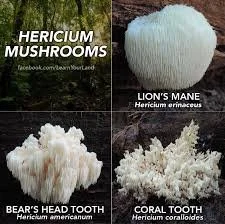
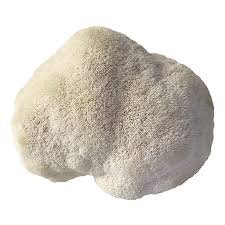
The Lion’s Mane is toothed fungus, it forms tooth-like spine structures instead of gills. The spines grow from a common clump and can become over a centimeter long. Younger specimens are more desired for flavor, which is often described as lobster-like when fried in butter.

This is an aggressive species that spontaneously forms primordia on malt agar and sawdust substrates but may be slow to colonize grain spawn. The mushroom develops quickly once initiated and can grow from a tiny primordia to a large, ready to harvest mushroom in one week or less. We offer a quick and easy Lion’s Mane Mushroom Block – Ready to Grow Kit for those wishing to try growing this mushroom at home. It may also be cultivated from cut hardwood logs using plug spawn.

The Lion’s Mane has been used for hundreds of years in Traditional Chinese Medicine and recent studies show certain compounds in the mushroom produce antioxidant effects, may regulate blood lipid levels and may reduce blood glucose level.

Key Differences & Similarities

  • Appearance: Lion's Mane is a solid, cascading mass; Coral Tooth has distinct branches with hanging spines.

  • Texture: Coral Tooth is crunchier/firmer; Lion's Mane is chewier.

  • Flavor: Both are mild, sweet, and absorb flavors well, often compared to seafood, but Coral Tooth can have a slightly more distinct, wild flavor.

  • Benefits: Both contain compounds like hericenones and erinacines, with ongoing research into their cognitive support, though Coral Tooth also has unique corallocins, notes Fungi Jon.

  • Identification: Both are tooth fungi (Hericium), easily identified by their spines, making them simpler to find than many other mushrooms. 

Culinary Uses

  • Sauté with butter, garlic, and parsley.

  • Shred and use as a seafood substitute in crab cakes or salads.

  • Excellent for absorbing flavors in vegetarian dishes. 

Growing & Harvesting

  • Grown from spawn on logs or sawdust blocks, similar to Lion's Mane.

  • Harvest when spines are extended, but before they release spores.

  • Proper air exchange (FAE) is crucial to get desired shapes and prevent fuzzy growth. 

Lion’s Mane

Cultivation Difficulty: Easy
Type: Edible
Substrate: Hardwood chips and sawdust, hardwood logs.
Colonization/Fruiting Temperatures: 70-75F/65-75F
Supplied As:10cc liquid culture

The Lion’s Mane is toothed fungus, it forms tooth-like spine structures instead of gills. The spines grow from a common clump and can become over a centimeter long. Younger specimens are more desired for flavor, which is often described as lobster-like when fried in butter.

This is an aggressive species that spontaneously forms primordia on malt agar and sawdust substrates but may be slow to colonize grain spawn. The mushroom develops quickly once initiated and can grow from a tiny primordia to a large, ready to harvest mushroom in one week or less. We offer a quick and easy Lion’s Mane Mushroom Block – Ready to Grow Kit for those wishing to try growing this mushroom at home. It may also be cultivated from cut hardwood logs using plug spawn.

The Lion’s Mane has been used for hundreds of years in Traditional Chinese Medicine and recent studies show certain compounds in the mushroom produce antioxidant effects, may regulate blood lipid levels and may reduce blood glucose level.

Key Differences & Similarities

  • Appearance: Lion's Mane is a solid, cascading mass; Coral Tooth has distinct branches with hanging spines.

  • Texture: Coral Tooth is crunchier/firmer; Lion's Mane is chewier.

  • Flavor: Both are mild, sweet, and absorb flavors well, often compared to seafood, but Coral Tooth can have a slightly more distinct, wild flavor.

  • Benefits: Both contain compounds like hericenones and erinacines, with ongoing research into their cognitive support, though Coral Tooth also has unique corallocins, notes Fungi Jon.

  • Identification: Both are tooth fungi (Hericium), easily identified by their spines, making them simpler to find than many other mushrooms. 

Culinary Uses

  • Sauté with butter, garlic, and parsley.

  • Shred and use as a seafood substitute in crab cakes or salads.

  • Excellent for absorbing flavors in vegetarian dishes. 

Growing & Harvesting

  • Grown from spawn on logs or sawdust blocks, similar to Lion's Mane.

  • Harvest when spines are extended, but before they release spores.

  • Proper air exchange (FAE) is crucial to get desired shapes and prevent fuzzy growth. 


Make it stand out

It all begins with an idea. Maybe you want to launch a business.

Build it

Maybe you want to turn a hobby into something more. Or maybe you have a creative project to share with the world.